Sensory play is one of those things that kids really enjoy —water tables, bins of rice, finger paint, play dough. Adults, on the other hand, tend to dread. Why? Because they are often messy, leading to sticky kids, wet clothes, and messy floors. Maybe if we could see all of the learning, calming, and development happening below the surface, it would be easier to welcome the mess. Let’s dig in.
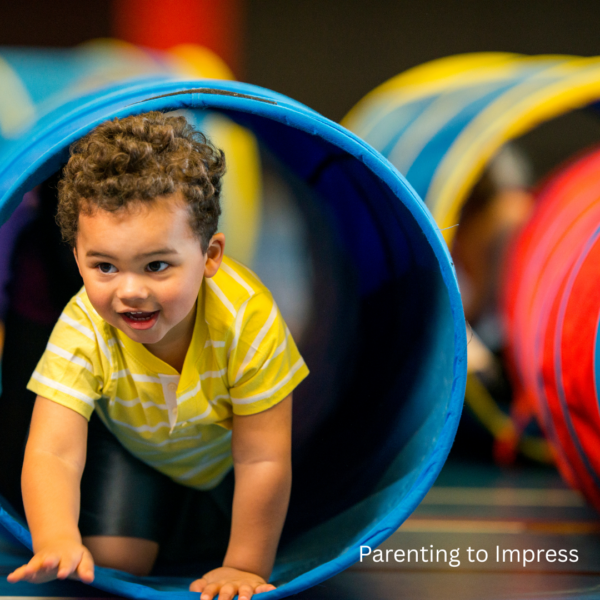
Why Sensory Play Matters
Toddlers and preschoolers learn through their senses first. Before letters, numbers, worksheets, the child is taking in the world through touch, sound, sight, smell, and movement. Sensory play gives the brain what it needs to organize all of that input.
Occupational therapists often describe sensory play as essential for helping the brain process information, build neural connections, and support regulation. In everyday language, it helps kiddos feel calmer, think clearer, and learn more easily. That sounds pretty important!
This is why play-based learning is at the center of the ABCJesusLovesMe Curriculum. Sensory experiences naturally fit into that approach because they engage the whole child—academically, physically, emotionally, and spiritually. Parenting to Impress also encourages intentional, hands-on learning moments where connection and development happen in real life, not just during structured lessons.
Let’s break it down a little further.
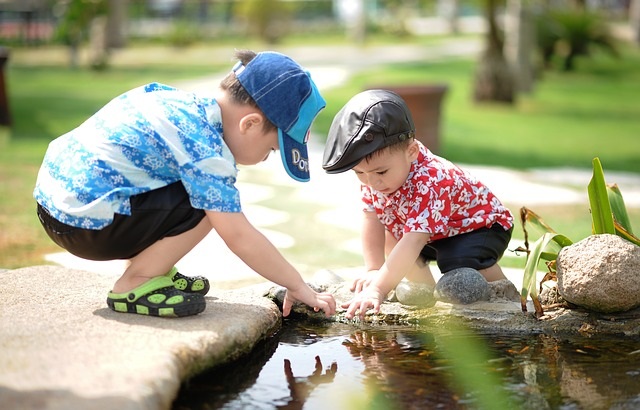
5 Benefits of Sensory Play
1. Sensory play builds brain connections.
Every scoop, pour, squeeze, and stir strengthens neural pathways—think roads—in the brain. These early connections support later skills like reading, writing, and problem-solving. We want a child to have highway-level, big-truck-worthy roads for future learning.
2. Sensory play supports emotional regulation.
Sensory play can calm an overwhelmed child or gently wake up a sluggish one. It gives the nervous system what it needs to reset. Remember my posts about how trampoline jumping helped stop my sons’ sensory meltdowns?
3. Sensory play strengthens fine motor skills.
Activities like pinching play dough, picking up pom-poms, or pouring water help prepare hands for writing and self-help skills like buttoning or zipping. This is why each ABCJesusLovesMe Lesson Plan includes a fine motor activity.
4. Sensory play encourages language development.
As the child explores textures and materials, conversation naturally follows—“soft,” “cold,” “wet,” “slimy.” These words build vocabulary in a meaningful way. Wondering how to make conversations more meaningful?
5. Sensory play supports focus and attention.
Sensory play often helps active children settle into longer periods of engagement. It gives the hands something to do so the mind can focus. Curious what’s so important about stick-to-itiveness?
Easy Sensory Play Ideas
You do not need fancy materials. Some of the best sensory experiences come from everyday items already in your home.
At Home or School
- Rice or dried bean sensory bin with cups, funnels, and spoons
- Water play with measuring cups, sponges, and funnels
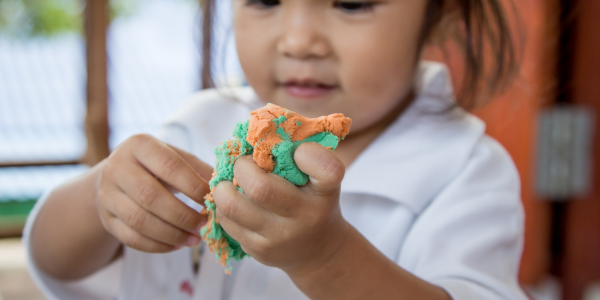
- Play dough with cookie cutters and plastic tools
- Shaving cream on a tray for drawing shapes or letters
- Ice cube trays with small toys to “rescue”
Outdoor Sensory Play
- Dirt or sand digging with small shovels and containers
- Mud kitchen using old pots and pans
- Nature baskets for collecting leaves, rocks, and sticks
- Watering plants with small pitchers
Calm Down Sensory Ideas
- Bottles filled with glitter and water
- Soft fabric boxes with different textures
- Sand trays for drawing
- Warm rice bags for weight, comfort, and calming

How Adults Can Make Sensory Play Intentional
While the materials are important, conversation takes sensory play to a whole new level.
Sit with the child. Talk about what they notice. Ask simple, open-ended questions like “What does it feel like?” or “What happens when you pour it?” or “How can you stop the water?” Let the little ones explore and problem solve without rushing to correct or direct every step.
Sensory play is not about perfection or product. It is about the experience.
From Mess to Purpose
When sensory play is part of the daily rhythm, the child is not just “kept busy” or entertained. The child is building the foundation for learning, emotional strength, and confidence. Yes, there may be a bit more of a mess to clean up. But nothing a broom and washing machine can’t fix. Move the activity outside if possible and involve the child in the cleanup.
It doesn’t have to be complicated. The simplest things can do more than most elaborate activities when the child is given time, space, and encouragement to explore.
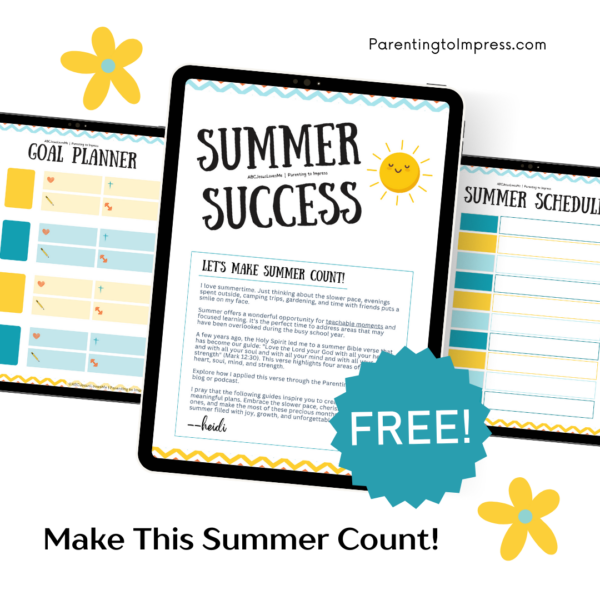
When my kids were little, I loved using summer as a time to focus on character development, academic growth, deepening our relationship with God, and building family memories. All of this, though, is hard to do without some kind of structure.
Not a rigid schedule, but a gentle guide—something to help this momma navigate each day with intention.
Take a look at the Summer Goals and Flexible Schedule, then use the FREE printables to create your own.





Leave a Reply