One of the most common mistakes I see when teaching early handwriting is handing a child a pencil or markers (and handwriting worksheets) too soon. Pencils require strong finger muscles and precise control that many preschoolers haven’t developed yet, while markers don’t help build those muscles at all.
When the hands aren’t ready, a child often compensates with awkward grips—holding the utensil in a full fist, wrapping extra fingers around it, or resting it on a weak finger. Over time, these habits become ingrained and harder to change. Introducing the right tools in the proper order helps the hands naturally build the strength and control needed for successful writing.
Let’s walk through the simple progression that prepares a child’s hands for confident handwriting.
Fine Motor Skills Must Develop Before Writing Utensils
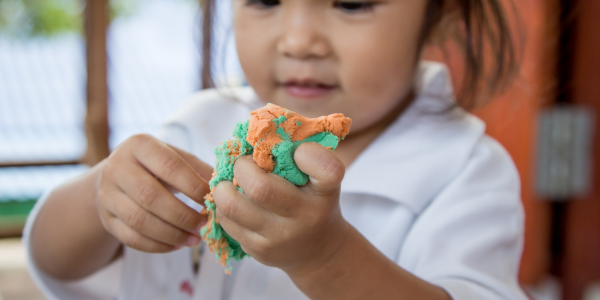
Before a child can hold a pencil well, the small muscles in the fingers must grow strong. These muscles are called fine motor skills, and they develop through everyday play like:
- Picking up Cheerios or small pieces of food
- Building with blocks
- Tearing paper
- Playing with play dough
- Stringing beads
Without strong finger muscles, the hand cannot control a writing tool properly. Instead of using the fingers to move the tool, the child may move the entire arm, press too hard or light on the paper, or hold the utensil incorrectly to compensate.
This is why writing tools should match the strength level of the child’s hands.
Some linked items are affiliate links. This means that this ministry receives an itty-bitty commission if you choose to purchase through these links.
Why Egg Crayons Are the First Step
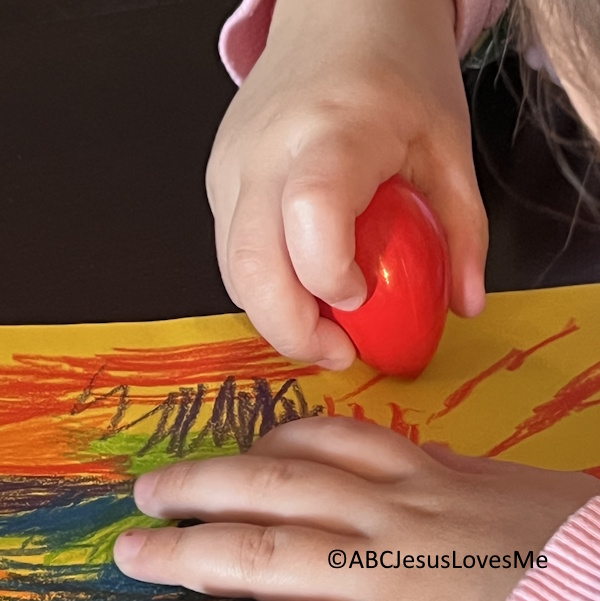
Egg crayons are the perfect first coloring tool. Their shape encourages a child to grasp them using the whole hand rather than the fingers.
This larger grip is developmentally appropriate for young children who are still building hand strength. Instead of worrying about holding the crayon “correctly,” the child focuses on exploring color and movement. This stage is about building cause and effect, comfort, and confidence, not handwriting.
Why Broken Crayons Are the Next Step
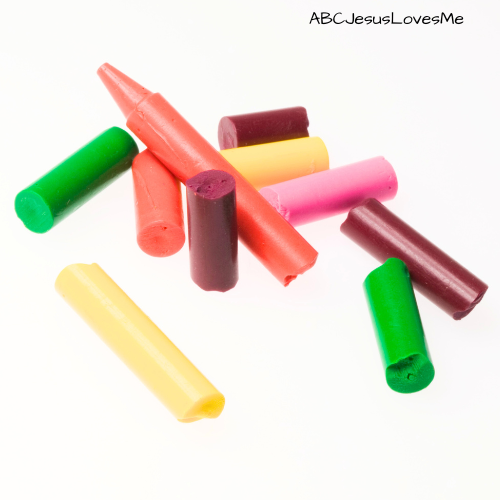
Once the child has gained some hand strength and is no longer placing items in their mouth, broken crayons or rock crayons become one of the best tools for developing proper grip.
A small crayon cannot be held with the entire fist or incorrectly. Instead, the child must naturally use the thumb, index, and middle fingers to control it. This encourages the development of the tripod grasp, where the strongest three fingers guide the crayon.
Broken crayons also help the child:
- Use smaller, controlled movements
- Strengthen finger muscles
- Improve coordination between the hand and brain
Because the crayon is short, the child is almost forced into a basic grip without being told how to hold it.
Tripod Grasp
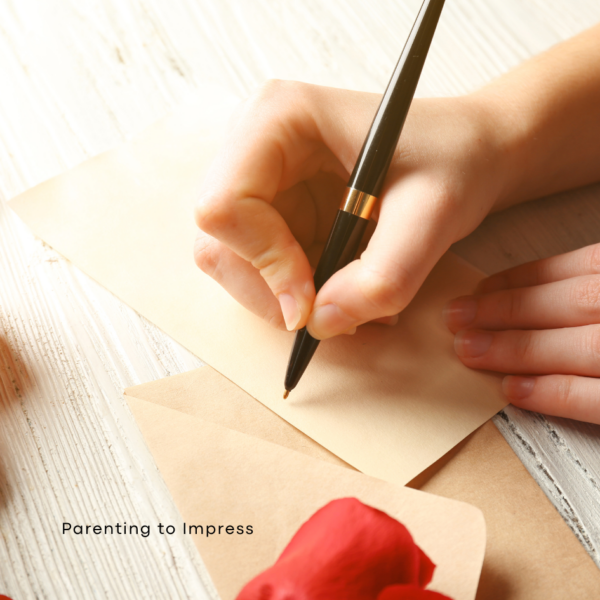
The tripod grasp is the best grasp for writing, using the three strongest fingers to control the writing tool:
- Thumb
- Index finger
- Middle finger
The pencil rests on the middle finger while the thumb and index finger guide movement.
This grip allows the child to:
- Move the pencil with small, controlled motions
- Write for longer periods without fatigue
- Improve accuracy and letter formation
Because the fingers do the work instead of the arm, writing becomes more efficient and comfortable.
The goal is for the fingers to naturally use the tripod grasp when the child moves from broken crayons to short pencils. If the grip isn’t yet stable, continue fine motor activities and allow the child to keep using broken crayons to prevent the development of bad habits.
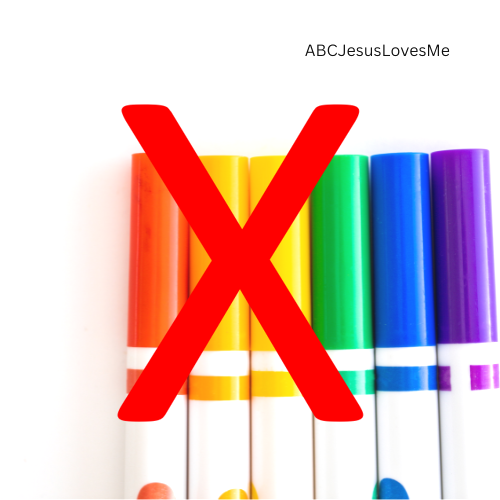
Why Markers Are Not Ideal for Young Children
Markers are popular, but they are not ideal for developing strong writing skills.
Most markers have long, thick barrels that make it easy for a child to grip them with the entire fist. Because markers glide easily across the paper, the fingers do very little work. This means the child can color for a long time without actually strengthening the small muscles needed for writing. This is why as adults we love smooth, gel pens!
Markers also encourage children to:
- Use the whole arm instead of the fingers
- Press too lightly to build fine motor strength
- Maintain immature or improper grips for longer
While markers are fun occasionally, they should not be the main tool used when developing early writing skills.
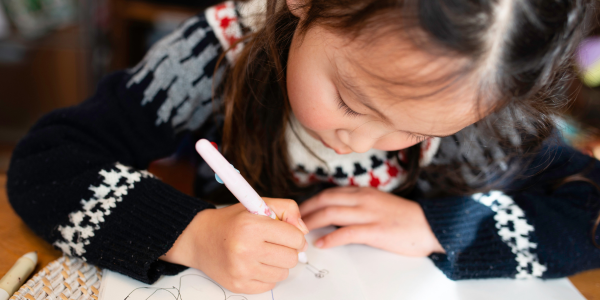
Preparing the Hand for a Lifetime of Writing
Handwriting success does not begin with worksheets or perfect letters. It begins with strong fingers.
By giving the child the right tools at the right time—egg crayons, broken crayons, and eventually short pencils—you allow the hand to develop naturally.
And when the hand is ready, writing becomes something the child can do with confidence instead of frustration.
Do Something Different ✍️
Turn tears into smiles with the unique ABCJesusLovesMe Handwriting Curriculum. The key to successful penmanship is in the process – a process where each level is a building block for the next. Ideal for both classroom or home use, prepare the child for a lifetime of beautiful penmanship. Discover More