There are moments in motherhood when a quiet question keeps returning: Is this just a phase, or is something more going on? I remember asking that question again and again, unsure if I was being overly concerned or not concerned enough.
This post was originally written in April 2015, a season when I felt confused, overwhelmed, and desperate for clarity. I am revisiting it now because so many parents still carry the same worries in their hearts. If the child’s behaviors feel bigger, last longer, or are harder than expected, this story—and an update on where we are now—may help you take the next step with confidence.
Early Development and Missed Signs
One question I am often asked is, “How did you know Bubs needed extra help?” Some have wondered if it became clearer after having other children or if others noticed it too. These are honest, important questions.
As a baby, Bubs developed on schedule and in some areas even ahead. Because he spent his first month in the NICU and CVICU after open-heart surgery, we assumed any delays were connected to that difficult start. We expected possible gross motor delays and believed he would eventually catch up. What we did not expect—and honestly did not think to watch for—were emotional and social differences.
Emotional Reactions That Didn’t Match the Situation
Around 18 months, I began to notice that Bubs reacted very differently than other children his age. One clear red flag were meltdowns that lasted far longer than seemed typical. One moment that stands out is when I poured syrup in the wrong spot on his plate. A simple action turned into a 90-minute crying episode—loud, intense, and completely inconsolable. This was not a few tears or frustration. It felt like his body and emotions were completely overwhelmed, and nothing I did helped.

Sleep Struggles and Night Terrors
By age two, Bubs often woke from naps screaming. Not long after, night terrors began. I talked to other moms, but no one quite understood what I was describing. Their experiences didn’t match what we were living through.
When Bubs was about 2½, I found the book Raising Your Spirited Child. I barely made it through the first page before tears filled my eyes. For the first time, I felt seen. The book described my child perfectly—but even then, I struggled to find practical help that made a difference.
Sensory Clues We Didn’t Recognize at the Time
Looking back, I can clearly see signs we missed:
- Loud toys caused immediate distress (sound sensitivity)
- Baby food textures were not tolerated
- The baby mobile triggered fear
- Nighttime screaming that could not be soothed—and attempts to help made it worse
These were sensory issues. At the time, we did not have experience or comparison. Bubs was our first baby. Others either didn’t see the behaviors or only saw brief moments, which made it hard to explain what was really happening.
Discipline Was Not the Answer
As Bubs grew, it became clear that this was not a discipline issue. Thinking he was extremely strong-willed, we tried different methods, rewards, and consequences. Nothing worked.
We could not discipline the meltdowns away. We could not encourage him into self-control. What Bubs needed was help learning how to process his world and work through fear and overload. At that point, we didn’t know where to turn. We felt alone and misunderstood.
Finding the Right Help Through Occupational Therapy
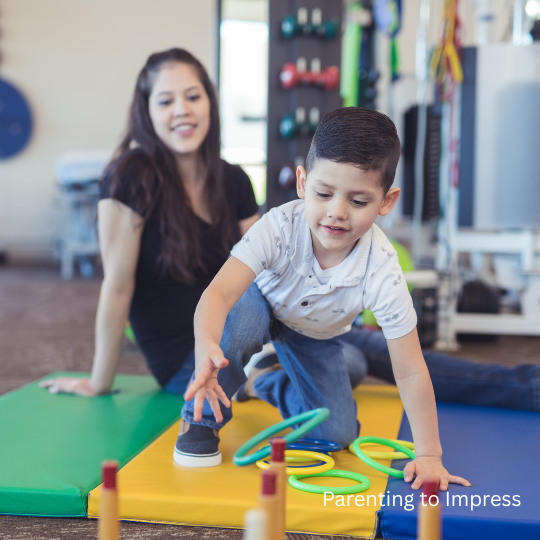
Our pediatrician pointed us toward an occupational therapist who specialized in Sensory Processing Disorder. That referral changed everything.
We began to understand that Bubs was not choosing these reactions. His body could not process sensory input in a typical way. When OT began and we intentionally used the tools at home, we began to see real change.
Update: Growth, Progress, and Hope
Reading this post from 12 years ago, I remember well the heartache, exhausting days, and the inadequate feeling as a mom. Bubs stayed in Occupational Therapy for two years for Sensory Processing Disorder, as well as other delays. He made tremendous progress.
Bubs is now a junior in college, finishing a Mechanical Engineering degree. Loud noises and unstructured environments can still be difficult, but they no longer overwhelm him. Social situations remain part of our ongoing conversations, yet they do not hold him back. We praise God for the professionals who knew how to help and equipped us with the tools he needed to succeed.
I am also thankful that medical community had grown. Doctors are no longer just monitoring NICU babies for physical health—they were watching development as a whole and recommending therapy earlier.

Encouragement for Parents Who Are Wondering
If you find yourself questioning whether behavior is more than age-appropriate development, I want to gently encourage you to seek help. Talk to a pediatrician. Ask about occupational or speech therapy. Do not wait.
Early intervention truly matters—and seeking help is not a sign that you are failing as a mom. It is an act of love.
Read more about our story:
- Our Story
- Living with ADHD
- Does Early Intervention Help?
- When You Begin a Therapy Journey
- When Your Children Don’t Match Your Parenting Dreams