Sixteen years ago, I wrote a blog post during a season when my oldest child —affectionately called Bubs—was struggling with safely releasing anger and frustration. Reading it again now, I’m reminded of how much growth can happen when an adult slows down, listens, and chooses to train instead of simply telling a child to stop a behavior.
Why Simply Saying “Stop” Wasn’t Working
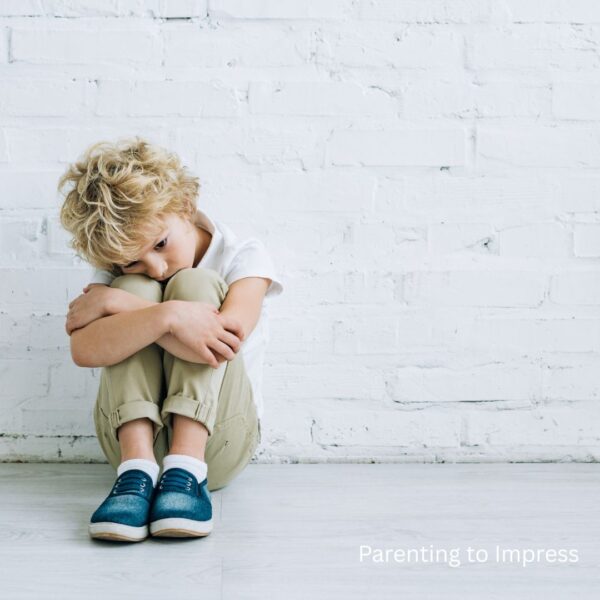
At the time, anger and frustration often got Bubs into trouble. He reacted quickly and intensely, and my default response was usually some form of “no,” “stop,” or “don’t do that.” A wise mom gently pointed out that while boundaries matter, a child also needs acceptable ways to release big emotions. That simple insight shifted everything for me. Bubs didn’t just need correction—he needed training.
He truly didn’t know what to do with his hard feelings. The emotions were real, but the responses were not appropriate. For every negative behavior, the child needs to be taught a positive, acceptable alternative. My role wasn’t to shame or silence him; it was to teach him what he could do when his body and heart felt out of control.
Teaching a Child How to Handle Big Emotions
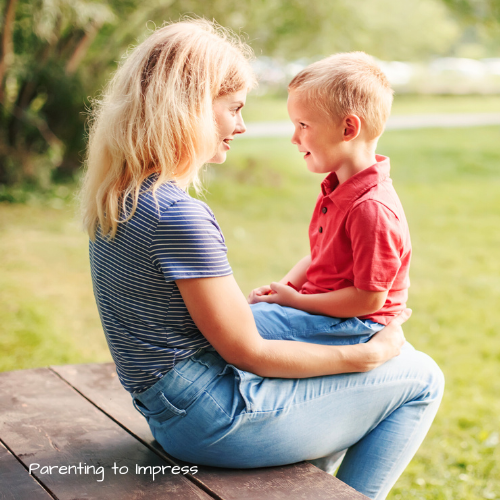
One afternoon, Bubs and I sat on the floor of his room and talked through the struggles he had been having with his anger. We discussed what behaviors were not acceptable and why they led him into trouble. Then we focused on something just as important—what he was allowed to do when anger and frustration bubbled up.
What surprised me most was how much ownership he took in the conversation. This time it wasn’t a lecture. It was a discussion, and he know I desired to help.
Acceptable Ways to Release Anger
We talked about yelling. Bubs was not allowed to scream or yell at me, his dad, or anywhere in the house. But he was allowed to scream into his pillow if he needed help calming his body. I asked if he wanted to practice. He looked at me like I was a little silly and said he was already in control and didn’t need to scream. Then I explained that we practice in the calm so we are ready when big emotions arrive.
We talked about hitting and kicking. He was not allowed to hit walls, doors, or people. But he could kick or punch a stuffed toy. Bubs thoughtfully suggested a large stuffed bear he owned. Then he added, almost as an afterthought, “I can hold him afterward.” That moment told me everything. He didn’t just want to release anger—he wanted comfort too.
When a Child Is Given Tools for Self-Control
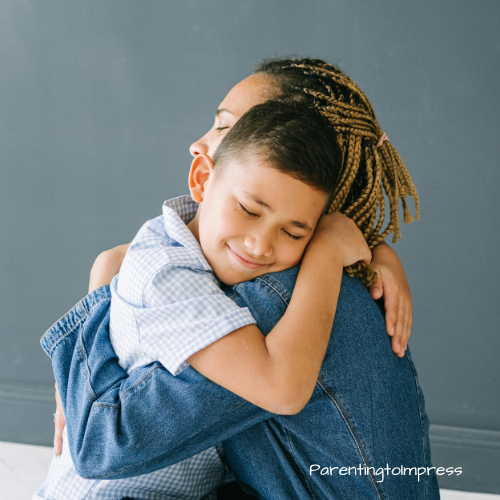
After our talk, there was a noticeable sense of relief. Bubs wanted to do the right thing. Instead of someone telling him to “stop,” he simply needed tools to help him get there. That short conversation didn’t eliminate anger from his life, but it gave him a healthy starting point.
Teaching Skills Instead of Just Correcting Behavior
Looking back now, I’m grateful I learned this lesson early: behavior changes best when the adult teaches skills, not just rules. Children often need guidance in handling emotions long before they are expected to manage them independently. Training takes time, patience, and grace—but it’s worth it.
If you’re walking through a similar season, be encouraged. A child who struggles with anger isn’t a bad child. Often, it’s a child who needs help learning what to do with feelings that feel too big.
Free Valentines Printable
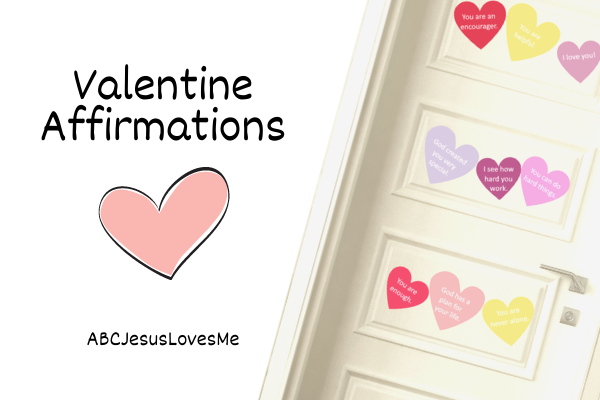
Throughout the years, my family has acquired favorite activities for each holiday. Valentine Affirmation Hearts is my favorite for February. This simple activity invites you to place a heart on the child’s door each day leading up to Valentine’s Day. On each heart, write something special about the child or a truth from God’s Word.
The free printable includes example hearts along with blank ones to personalize. This has become a cherished tradition in our home (even with teens), and I hope it brings the same encouragement to yours. Download your free copy of the Valentine Affirmations today.