I still remember it like it was yesterday.
Bubs was about 9 years old, lying on the floor beside me while watching a friend’s baby kick, wiggle, and make little noises. He watched every movement closely. You could almost see the wheels turning in his mind.
Then, with a puzzled look, he asked, “What does this mean?” as he circled his finger around his face.
Bubs could tell Baby Annie was trying to communicate something, but he couldn’t figure out what her expressions were saying.
At the time, I didn’t realize there was a name for what he was struggling with.
What Are Pragmatics?
Pragmatics is simply the social side of communication—how we use language, facial expressions, tone of voice, body language, and timing to interact with others.
Think of it this way: communication is more than words.
It’s understanding when someone is joking, noticing when a friend looks sad, knowing how to join a conversation, or figuring out what someone’s face or tone is trying to say. All the things that make texting such a hard communication tool.
Some children naturally pick up on social cues by watching others. But many children need intentional teaching and practice. And honestly, more children seem to be struggling with this than ever before.
Experts believe one reason may be the amount of time children spend on screens versus face-to-face interaction. Yet another reason why I am encourage limiting technology use.
Signs the Child May Need Help with Social Communication
You may notice the child:
- Misunderstands facial expressions or tone of voice
- Struggles to join conversations appropriately
- Has difficulty knowing what to say in social situations
- Talks “at” people instead of having a back-and-forth conversation
- Misses when someone feels sad, frustrated, or uncomfortable
- Struggles to express feelings clearly
If these struggles sounds familiar, please know this: the child is not behind, rude, or uncaring. Social communication is a skill, and skills can be taught.
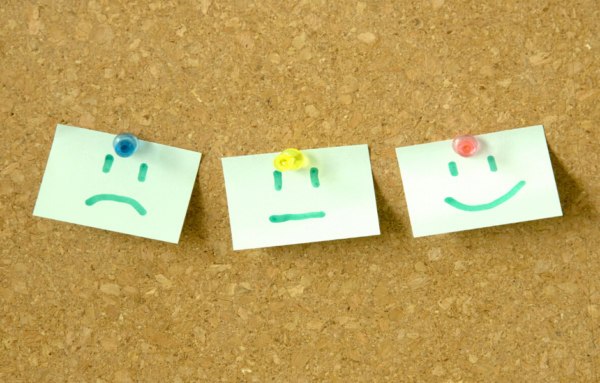
Simple Ways to Teach Social Cues at Home
The good news? Small, everyday moments make a huge difference.
Ask Open-Ended Questions
Instead of questions with one-word answers, invite conversation.
Try:
- “Tell me more about that.”
- “What do you think happened?”
- “How do you think she felt?”
- “What would you do next?”
These kinds of questions help children think deeper and practice communication.
Practice Before Situations Happen
Role play can feel silly, but it works. Before going to church, a birthday party, or a playdate, practice situations:
- “What could you say when you walk in?”
- “How do you ask someone to play?”
- “What could you do if someone says no?”
Preparing ahead of time helps the child feel confident.
Teach Facial Expressions
This was especially helpful for Bubs. I began teaching him to notice eyebrows, mouths, and eyes. We would pause during books or conversations and ask:
- “What do you think this face means?”
- “Does this person look excited, worried, frustrated, or confused?”
- “What clues helped you decide?”
You can even practice in the mirror or while watching people in everyday life.
Help Rephrase Words Kindly
Sometimes children know what they want to say but need help saying it in a way others understand. Instead of correcting harshly, gently coach, “Let’s try saying that another way.” Over time, children begin learning how words affect others.
Ask “What Would You Do?” Questions
These simple questions build problem-solving skills. Try:
- “What would you do if someone took your toy?”
- “What would you say if a friend looked sad?”
- “What could you do if you feel frustrated?”
These conversations teach children how to respond before situations happen.
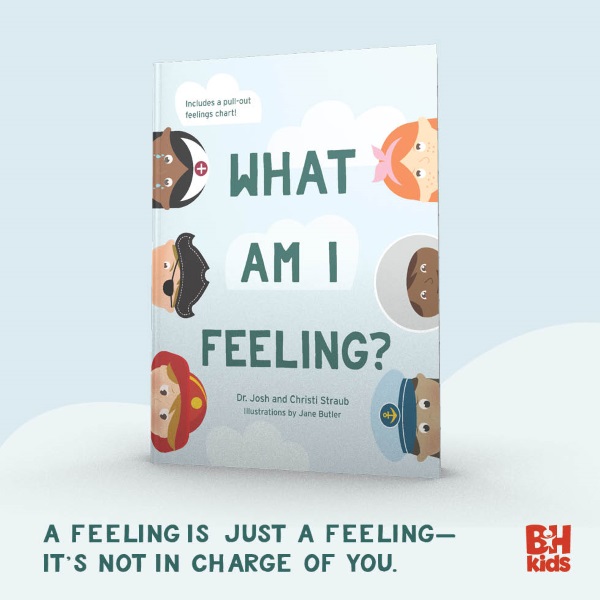
Books Can Help Too
Books are one of my favorite ways to teach social skills naturally. When reading together, pause and ask:
- “How is this character feeling?”
- “Why do you think they said that?”
- “What would you have done?”
Going beyond the story (e.g. Picture Walk) helps children notice emotions, intentions, and social situations in a safe, simple way. Many books in the ABCJesusLovesMe Curriculum naturally support these conversations because stories create opportunities to talk about emotions, choices, and relationships.
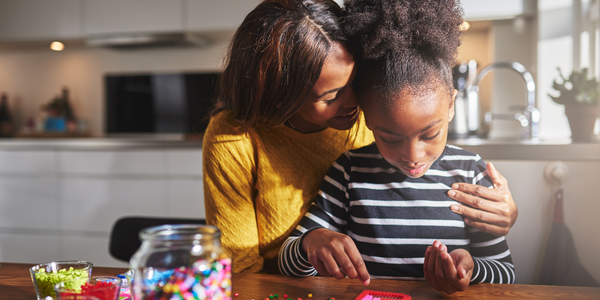
Helping Your Child Learn Social Cues
Bubs couldn’t read Baby Annie’s face that day.
But through intentional conversations, books, role playing, and teaching him to notice facial cues, he slowly learned to understand what others were communicating.
If the child is struggling with social cues or communication, it may mean extra support is needed—just like it was for us. Talk with the child’s pediatrician and consider scheduling an evaluation with a Speech Therapist.
Then, keep teaching. Keep practicing. Keep encouraging. And don’t give up. Little by little, growth happens.

Every child develops in their own time. Some children naturally pick up social skills by watching others, while some need more intentional teaching and support. Grab the FREE Pragmatic Milestones printable tobetter understand what skills are emerging and what may need more practice.





Leave a Reply