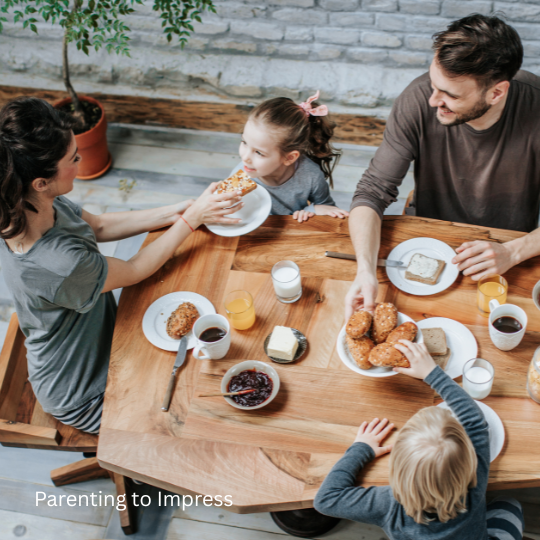
As a young mom, I held completely distorted expectations of family dinners. I imagined a picture-perfect scene: everyone sharing sweet stories from their day, laughing together, and saying heartfelt prayers.
The reality? Spilled drinks, endless behavioral reminders, wiggly bodies, interrupted words, and moments where I genuinely wondered if a peaceful meal was even possible. Instead of feeling connected, I felt completely exhausted by a never-ending cycle of corrections.
But if you are in that survival mode right now, take heart – dinner at our house is no longer a chaotic battleground. Having all four of my kiddos at home around the table is truly my favorite thing. We made it through the worst of it, and your family will too.
Start with One Goal at a Time
When a child struggles at the table, it is tempting to tackle everything at once:
- Sit correctly
- Use a fork
- Don’t spill
- Keep food off the floor
- Stay seated
- Use a napkin
- Stop interrupting
That is a lot for a child to focus on.
The biggest encouragement I can give you is this: pick one skill and work on only that.
If sitting properly is the biggest struggle, start there. Ignore the rest for now unless it is unsafe or extremely disruptive. When that skill improves, move to the next one. Small progress adds up.
Practice Before the Meal
One thing that helped our family was practicing outside of meal time.
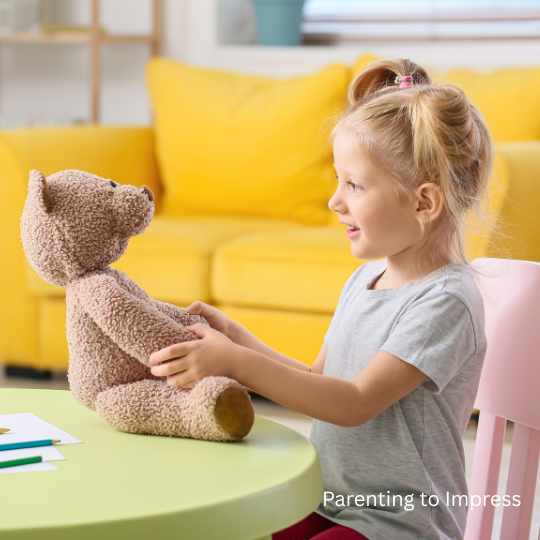
Away from mealtime, roleplay with a stuffed animal or doll. Explain, “We are going to help Teddy sit at dinner like a big boy!” Show what sitting correctly looks like. Then make it silly and overexaggerate what not to do. Children often learn best through play and laughter. You might slump dramatically, wiggle wildly, or pretend to spill things while your child giggles and corrects you. Add this type of role playing to restaurant imagination play.
Practice takes the pressure off the actual meal.
Give the Body Support
Sometimes what looks like disobedience is actually discomfort. Many children sit at tables where their feet dangle, their core muscles tire quickly, or they feel physically unstable. A child who cannot feel grounded may lean, wiggle, or constantly move.
1. Add Foot Support
Place a sturdy stool, box, or stack of books under their feet so they feel secure.
2. Choose Better Seating
Some children do best with a chair that provides solid side support, while others simply need a little extra room to wiggle. Instead of forcing what “should” work, focus on observing what actually helps your child succeed. For my own kids, as long as the table wasn’t too high, they always did much better sitting flat on their bottoms rather than tucking their legs under them. To help them reach comfortably, we used booster seats on our dining room chairs until they grew tall enough to sit flat on the seat without help.
3. Keep Meals Manageable
If meals regularly stretch too long, consider shortening expectations. Don’t sit the child in their seat until you are ready for prayer and eating.
Choose Battles Wisely
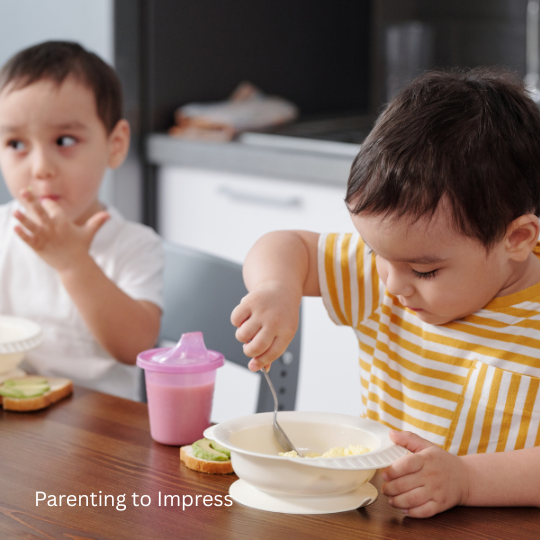
Here’s a confession. Bubs used a sippy cup far longer than many of his peers. Could he have used an open cup sooner? Maybe.
But we needed success at the table more than we needed appearances. Cleaning up spilled drinks every meal only frustrated everyone involved. Sometimes helping a child succeed means temporarily adjusting expectations.
Offer Choices When Possible
One night Bubs tried to convince us he couldn’t use a fork because he “didn’t want to get it dirty.” Children can come up with some creative reasoning, can’t they?
Instead of turning it into a power struggle, offer simple choices:
- “Would you like the blue fork or the green fork?”
- “Would you like this car cup or that bulldozer cup?”
Giving appropriate choices often increases cooperation because a child feels some ownership.
Is It Behavior or Sensory?
One of the hardest questions for parents to answer is whether a child’s behavior is a heart issue or a maturity issue. Is it a conscious choice, or is it a reflection of their development? Distinguishing between the two helps you respond with the right balance of discipline and patience.
If you question whether something is outside your child’s control, try observing the same skill in another setting. For example, if your child sees an occupational therapist or has a preschool teacher, ask if they can observe similar tasks during therapy or school. Can your child sit appropriately there? Use utensils? Follow directions?
Sometimes the answer points toward sensory needs. Sometimes it reveals behavior choices. And it may be a little of both.

Progress Over Perfection
Friend, if dinner feels stressful right now, I understand. Family meals are important, but they it takes time. Your child is not going to wake up tomorrow with perfect manners and self-control.
Keep teaching. Keep modeling. Keep expectations realistic. Keep consistent. It is worth it.
I’d love to hear: How do you survive mealtime? What has helped your family?





Leave a Reply